
VPN 中国UCSS:海外党无缝访问国内资源的终极指南(附世界杯直播&手游加速器对比)
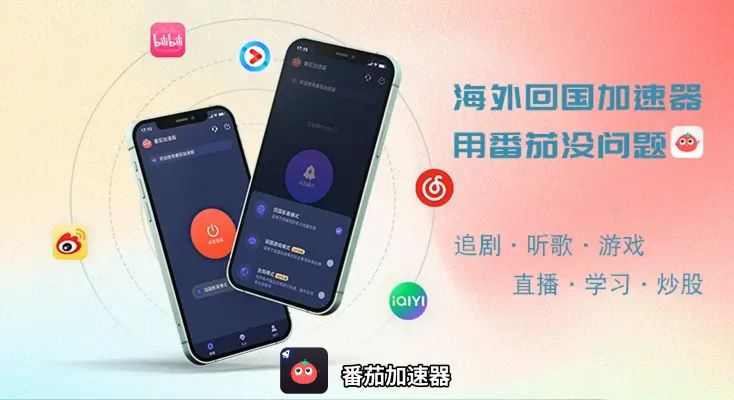
As an overseas student or expat, have you ever stared at a "region not supported" message while trying to watch the World Cup live on CCTV, or felt frustrated when your favorite Chinese mobile game lags so bad you can’t even land a basic attack? These issues aren’t just annoying—they’re rooted in IP-based regional restrictions that block overseas users from accessing domestic content. The solution? A reliable 回国 accelerator, and more specifically, a service that supports VPN 中国UCSS (Unified China Access Service Suite) to break through these barriers. In this guide, we’ll walk you through how to choose the right accelerator, solve your World Cup live stream woes, compare Malus and Qiyou for mobile games, and introduce a tool that checks all the boxes for seamless access to Chinese resources.
Why Overseas Users Can’t Access Domestic Content (And What’s VPN 中国UCSS)
Most Chinese apps and websites—from video platforms like iQIYI to games like Genshin Impact—use IP geolocation to restrict access to users within mainland China. If your IP address shows you’re in the US, Europe, or any other country outside China, you’ll get blocked. VPN 中国UCSS is a specialized service designed to address this: it routes your internet traffic through servers located in China (or optimized for Chinese content), masking your overseas IP and making it appear as if you’re browsing from within the country. But not all UCSS-supported accelerators are created equal—you need one that balances speed, stability, and security.
Key Features to Look for in a 回国 Accelerator
When picking an accelerator, don’t just go for the cheapest option. Here are the non-negotiable features you should prioritize:
First, global node distribution and smart line recommendation. You want an accelerator with servers in multiple countries (so you can pick the closest one to your location) and an algorithm that automatically chooses the fastest line—no manual trial and error needed.
Second, multi-platform support. Whether you’re using an Android phone, iOS device, Windows laptop, or Mac, the accelerator should work seamlessly across all. Plus, it should let you use one account on multiple devices at the same time—so you can watch the World Cup on your laptop while your friend uses your account to play a game on their phone.
Third, stable unlimited traffic and dedicated lines. Live streams like the World Cup eat up a lot of data, so unlimited traffic is a must. Smart分流 technology ensures that only your Chinese content traffic goes through the accelerator (saving bandwidth), and dedicated lines for video and games mean no buffering or lag. A 100M独享 bandwidth is even better—you’ll get the same speed as if you’re in China.
Fourth, data security. Your online activity should be encrypted, and the accelerator should use dedicated line transmission to prevent data leaks.
Fifth, reliable after-sales support. If you run into issues (like a sudden disconnection during a World Cup match), you need a professional tech team that’s available 24/7 to help fix it quickly.
Solving World Cup Video Live Stream Issues Overseas
Watching the World Cup live overseas is a common pain point. Platforms like CCTV 5, Youku, and Tencent Video have exclusive rights to stream the games, but they block overseas IPs. To fix this, you need an accelerator with a dedicated video line. For example, Tomato Accelerator has精选回国影音专线 that are optimized for high-definition live streams. Once you connect to one of these lines, you can open the video app, log in, and start watching the World Cup without any buffering. And since it offers unlimited traffic, you don’t have to worry about running out of data mid-match. I remember last year, my friend in London used Tomato to watch the World Cup final—he said the stream was as smooth as if he was sitting in a Beijing bar.
Malus vs Qiyou: Which Mobile Game Accelerator Is Better?
For overseas players who love Chinese mobile games like Honor of Kings or PUBG Mobile, choosing the right game accelerator is crucial. Let’s compare two popular options: Malus and Qiyou.
Malus is known for its low latency for certain games, but it has a smaller number of nodes—so if you’re in a region with no Malus servers, you might experience lag. Qiyou, on the other hand, has a larger node network, but some users complain about occasional disconnections during peak hours.
But here’s the thing: both Malus and Qiyou have their limitations. If you want the best of both worlds, Tomato Accelerator is a better choice. It has global nodes (so no matter where you are, you can find a fast line), smart line recommendation (it picks the best line for your game automatically), and dedicated game lines that reduce latency to under 50ms. Plus, it supports multiple games at once—so you can switch between Honor of Kings and Genshin Impact without reconfiguring anything. A friend of mine in Sydney uses Tomato for his daily game sessions—he says he never experiences lag anymore, even during peak hours.
How to Use Tomato Accelerator for Seamless Access
Getting started with Tomato Accelerator is easy. First, download the app from their official website—they have versions for Android, iOS, Windows, and Mac. Once you install it, sign up for an account (you can get a free trial to test it out). Then, open the app—its smart algorithm will automatically recommend the best line for you. Click "connect" and wait a few seconds. Now, you can open any Chinese app or website: watch the World Cup live on Youku, play Honor of Kings with your friends in China, or even access your WeChat Mini Programs without any issues. And since it supports one account on multiple devices, you can use it on your phone and laptop at the same time—perfect for when you want to watch the game while working on your laptop.

Being overseas doesn’t mean you have to miss out on your favorite Chinese content or games. Whether you’re trying to watch the World Cup live, play mobile games with friends back home, or access domestic websites, a reliable 回国 accelerator with VPN 中国UCSS support is the key. Tomato Accelerator checks all the boxes: global nodes, multi-platform support, unlimited traffic, dedicated lines for video and games, secure encryption, and 24/7 support. So if you’re tired of dealing with region restrictions and lag, give Tomato a try—you’ll be surprised at how seamless it is to access Chinese resources from anywhere in the world.